
 By the time the first school bus pulls into the parking lot and students begin walking through the doors, preparations for the first day of school have already been underway for months.
To students, the new year may appear to begin with a ringing bell, a welcoming teacher, and the search for a classroom or locker. Behind the scenes, administrators, teachers, transportation personnel, custodians, food service employees, office staff, technology specialists, and others have worked together to prepare for the moment when the hallways come alive again.
One of the earliest steps is student registration. Families update contact information, complete medical forms, select transportation arrangements, and review emergency contacts. Staff members carefully examine this information to ensure records are accurate and that each student is properly scheduled, assigned to a classroom, and prepared to receive the services and support needed.
Registration information also affects transportation planning. Routing school buses is far more complicated than placing addresses on a map. Transportation personnel must consider student locations, road conditions, travel times, bus capacities, turnaround points, and the needs of younger children. Drivers review routes, inspect buses, and confirm pickup locations before safely transporting students.
Inside the school, custodial and maintenance employees complete an extensive summer cleaning process. Classrooms are cleaned from floor to ceiling. Hallways are polished, restrooms are sanitized, carpets are cleaned, furniture is moved, and repairs are completed. Heating, cooling, electrical, plumbing, and safety systems are also checked.
Food service employees clean kitchens, inspect equipment, order food, and finalize menus. Technology staff members prepare student devices, classroom equipment, instructional programs, and communication systems. Office personnel answer questions, process enrollment changes, organize records, and prepare schedules.
Teachers invest many hours preparing classrooms, organizing materials, creating welcoming displays, and planning lessons. Rossville teachers began their formal preparations with building-level meetings, professional development, department meetings, and classroom preparation time. Teams reviewed curriculum maps, the Indiana Academic Standards, instructional resources, and areas where students may need additional support.
Teachers also worked across grade levels to understand what students learned during the previous year and what they will be expected to master next. This collaboration helps provide a smoother transition as students advance from one grade to another.
Safety remained central to the district’s preparations. Staff members reviewed emergency procedures, participated in security and integrity training, and completed reunification training. They also reviewed medical needs, visitor procedures, arrival and dismissal plans, communication systems, and supervision responsibilities.
Open house allows families to see those preparations come together. Students meet their teachers, locate classrooms, practice routines, and ask questions before the first morning. Sixth-grade orientation gives students additional time to become familiar with new schedules, expectations, and surroundings.
Then, the first day finally arrives.
For kindergartners, the day represents an entirely new experience. There are routines to learn, adults to trust, and classmates to meet. Even ordinary parts of the day can feel like major milestones.
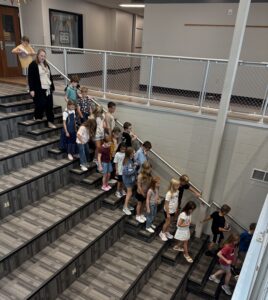
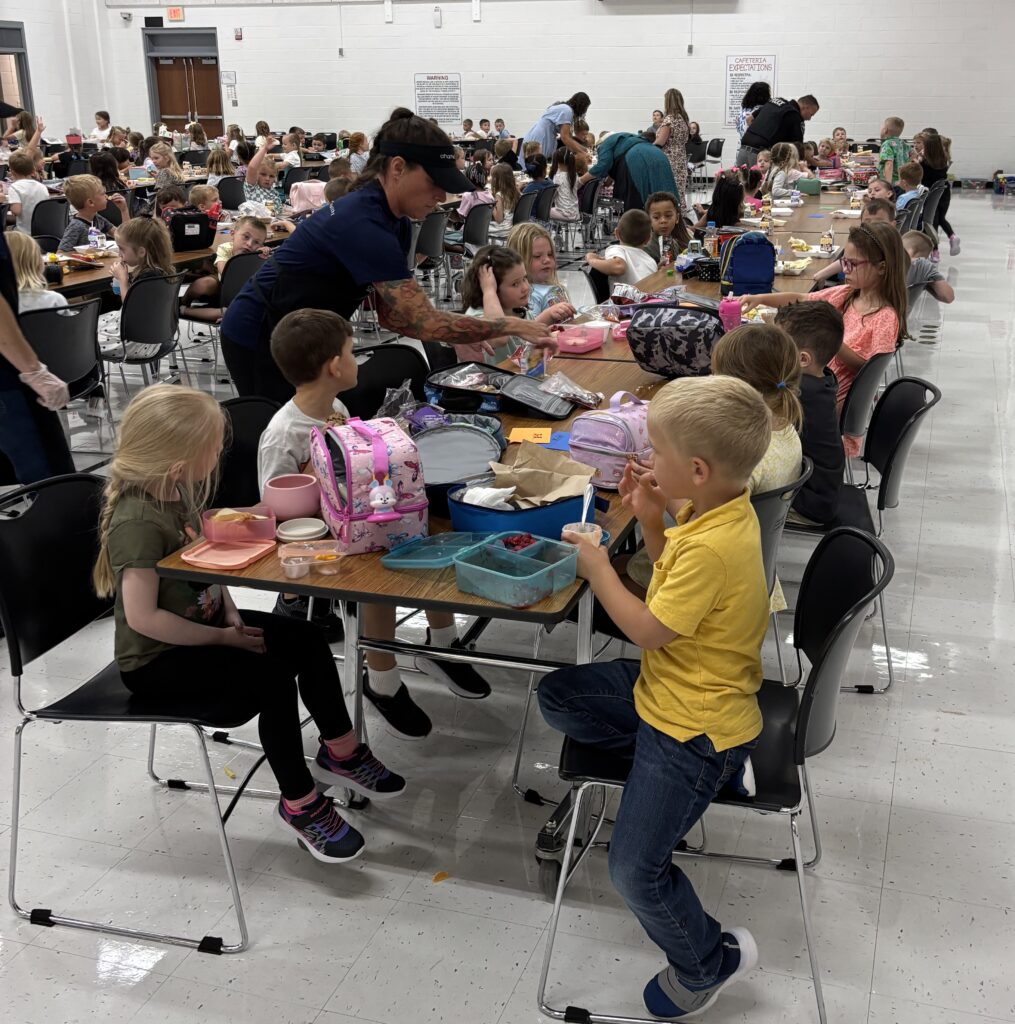
Some kindergartners experience the cafeteria for the first time, carrying lunch trays, finding seats, opening containers, and learning what to do after lunch. Elementary students practice lining up, walking through the building, and moving together as a class to recess. Teachers and staff provide patients with reminders and encouragement as children learn these routines.
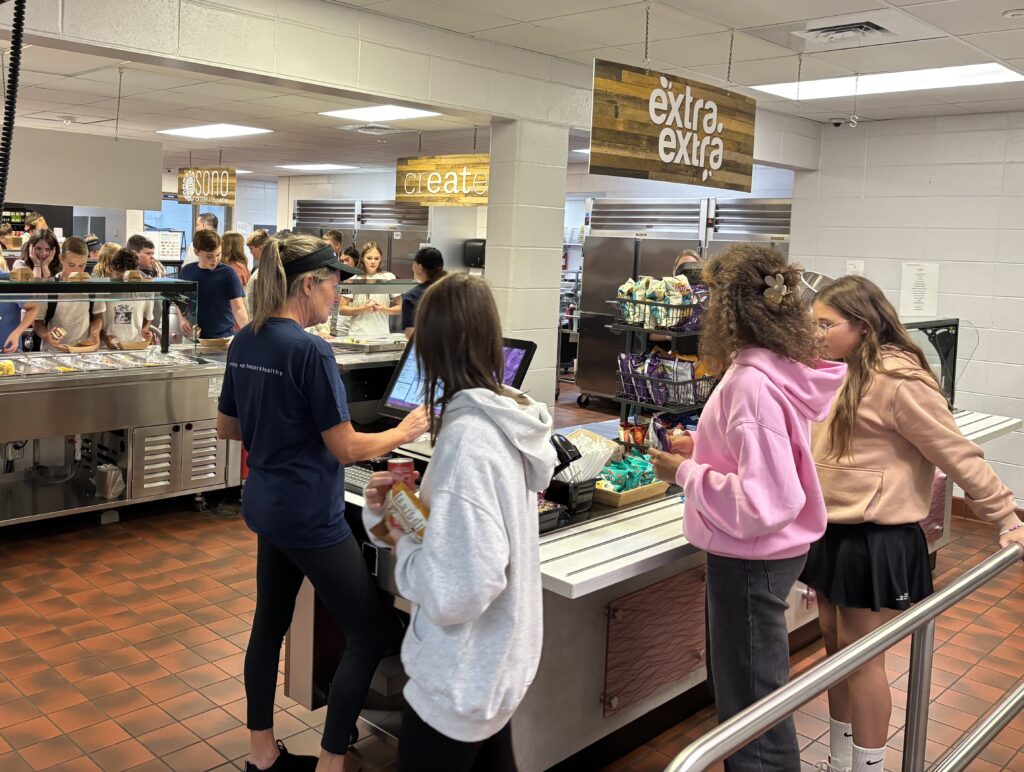
New sixth-grade students experience transitions of their own. They learn to navigate the cafeteria’s à la carte line, manage a more independent schedule, change classes, and adjust to middle school expectations. What seems routine to an older student can feel unfamiliar to someone entering a new part of the school.
Students who are new to the district face similar emotions. They must learn the building, understand expectations, and find their place among unfamiliar classmates. Staff members help them navigate the hallways, make introductions, and understand that they belong.
For returning students, the first day brings the excitement of reconnecting. Friends who may not have seen one another for months exchange greetings and summer stories. Students compare schedules, meet new teachers, and settle back into the rhythm of school.
Throughout the day, employees work to keep everything running smoothly. Teachers welcome students at classroom doors. Office personnel help families with last-minute questions. Bus drivers double-check stops and student lists. Cafeteria employees guide students through serving lines. Administrators and support staff monitor entrances, hallways, cafeterias, and dismissal areas.
The first day also requires flexibility. A student may forget a lunchbox, struggle to open a locker, or become uncertain about where to go. A parent may need to update an emergency contact or confirm a transportation plan. Staff members respond to each situation while keeping the day calm and organized.
Most people see smiles, backpacks, polished hallways, and reunions among friends. What they do not see are the early mornings, planning meetings, cleaned classrooms, revised bus routes, prepared meals, technology updates, safety training, and hundreds of decisions required to make the day appear effortless.
The first day of school is more than a date on the calendar. It is the result of months of preparation and the collective effort of an entire school community. When the doors open and students step inside, that work has one shared purpose: providing every child with a safe, welcoming, and successful beginning.