
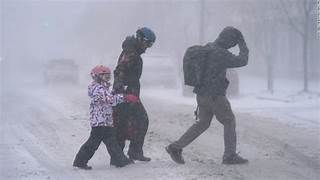
 On winter mornings when rural roads glaze over with ice or wind sweeps snow across open fields, families across Clinton and Carroll counties wait for one pivotal message: whether school will operate on time, be delayed, or be closed. Behind this decision is a coordinated early-morning effort involving superintendents, transportation directors, and local authorities across multiple school systems.
In districts such as Rossville Consolidated, the decision-making process begins long before dawn. Superintendents throughout Clinton and Carroll counties regularly communicate as they personally inspect roads, monitor evolving weather conditions, and compare updates from meteorologists and emergency management personnel.
“We’re constantly exchanging information,” said Rossville Superintendent Dr. Jim Hanna. “No one makes these decisions alone. Weather patterns shift quickly across our counties, and collaboration helps us make the safest, most informed choices for our students and staff.”
Early-Morning Conversations Across the Region
During winter weather events, superintendents in the two-county area often begin their workday on the roads well before sunrise. Texts, phone calls, and shared observations help district leaders identify where road conditions are improving or deteriorating and how the storm is progressing.
These discussions often center on:
- pavement and bridge conditions,
- blowing and drifting snow on rural roads,
- forecasts of subzero temperatures and wind chill risks,
- feedback from county road crews,
- the timing and intensity of precipitation, and
- the ability of buses to travel safely in marginal conditions.
Each district still weighs its own geography, staffing, and transportation patterns. But regional collaboration helps superintendents validate local observations and better understand whether hazardous conditions are isolated or widespread.
“What’s happening in Rossville often mirrors what’s being seen in Michigantown, Mulberry, Frankfort, Delphi, or Flora,” Dr. Hanna noted. “That shared perspective makes our decisions more accurate.”
Balancing Community Needs With Safety
While weather drives much of the decision-making, superintendents must also consider how delays and closures affect families who rely on schools for routine, meals, and childcare. However, safety remains the top priority.
Districts evaluate:
- the safety of bus travel,
- visibility and wind speeds,
- drifting patterns on gravel and secondary roads,
- the readiness of transportation staff and equipment, and
- the risks faced by student drivers.
Rural road conditions vary widely across Clinton and Carroll counties, and student drivers on untreated backroads add a layer of concern.
Parents Maintain Final Judgment for Their Children
A consistent message across both counties is that parents have the ultimate authority in determining whether conditions are safe in their specific area.
Even when school is open, families may choose to keep their children home if they believe travel is unsafe. Districts respect those decisions and allow students to make up missed work.
Communication
Districts in Clinton and Carroll counties notify parents as soon as possible using notification applications and the media. Parents must ensure that notification information is current so that they can be notified.
Weather Factors That Drive Regional Decisions
Superintendents across the two counties evaluate several categories of weather:
Freezing Rain and Sleet
The most difficult conditions to predict. Decisions are typically held until early morning to capture the most current temperature trends.
Snowfall and Drifting
While snowfall can be forecast with relative accuracy, drifting snow along rural roads can rapidly create unsafe conditions. Regional communication helps identify drifting hot spots.
Extreme Snowfall
If road crews indicate that areas may remain impassable, closures may be announced the evening before.
Extreme Cold
Districts rely heavily on NOAA data and consider delaying school when temperatures reach approximately –10°F with calm wind. If such temperatures continue through mid-morning, closure becomes a consideration.
A Regional Effort Rooted in Safety
Though families receive only a brief message announcing a delay or closure, that decision is often the product of hours of early-morning driving, weather review, and cross-county communication among school leaders.
“We all want students in school whenever safely possible,” Dr. Hanna said. “But winter weather in Clinton and Carroll counties can shift quickly. Working together ensures we make the best decisions for our communities.”
As winter continues, families can be assured that local school officials are collaborating closely, often in the cold and dark, to evaluate conditions and ensure student safety across the region.